Selling a country home near Saint Joseph is rarely as simple as putting a sign in the yard and waiting for offers. Buyers usually want a clear picture of the house, the land, the outbuildings, and the systems that keep everything running. If you have owned your property for years, or if it has grown and changed over time, a little preparation can make the process feel far less overwhelming. In this guide, you will learn how to get organized, what local records to gather, which rural systems deserve extra attention, and how to present your property well from day one. Let’s dive in.
Start With Property Records
A country property often comes with more moving parts than an in-town home. Before you list, it helps to gather the key documents that explain what you own and how the property is set up.
In Champaign County, your first step is confirming the parcel basics. The Champaign County Assessment Office maintains parcel identification numbers and the county cadastral map system, and the Champaign County GIS Consortium provides countywide mapping data. These records can help you confirm acreage, parcel boundaries, and access points before your home hits the market.
You should also pull together any recorded documents tied to the property. For many country homes, that includes the deed, survey or plat, and any recorded easements, liens, or subdivision documents that affect the land. Champaign County’s County Clerk and Recorder office maintains these records, and having them ready can save time once buyers start asking questions.
Create One Main Property Folder
A simple folder system can make the entire sale smoother. Start with one place for your core property facts, including:
- Deed
- Survey or plat
- Parcel ID number
- Recent tax bill
- Acreage notes
- Easement information
- Utility details
- Farm lease paperwork, if any
- Notes about wooded, pasture, or tillable acreage
If part of your property is farmed or leased, it is also smart to understand how those acres are classified. Illinois assesses farmland under special rules based on agricultural economic value, so it helps to know which land is residential ground and which land may be considered tillable, pasture, or wooded acreage.
Check Zoning And Improvement Paperwork
Country properties often evolve over time. A shed gets added, a driveway is improved, a barn is updated, or an addition is built. Before listing, it is worth checking that the paperwork lines up with what is actually on the property.
In unincorporated Champaign County, Planning and Zoning handles zoning-use permits, zoning-compliance certificates, flood-hazard regulations, subdivision comments, and related land-use issues. If you have questions about an older improvement or a land-use detail, this is an important area to review early rather than after a buyer raises it.
This does not mean every property needs a major review. It simply means that when you know what exists, what was permitted, and how the property is described on paper, you can market the home more clearly and respond to buyers with confidence.
If You Are Considering A Split Or Replat
Some sellers think about splitting off land before selling. If that is part of your plan, get answers early.
For parcels under five acres that are not served by public sewer, the local health department must approve the plat in writing. That process typically involves soil borings, sewer and water statements, drainage information, and flooding information. If a new parcel layout is even a possibility, it is best to understand the requirements before marketing the property a certain way.
Give Well And Septic Systems Extra Attention
For many country homes near Saint Joseph, private well and septic systems are part of daily life. They are also part of what buyers want to understand right away.
Illinois EPA recommends that private well owners test well water at least once a year for bacteria and every year for nitrate. If you have recent test results, keep them handy. If you do not, this may be a good time to talk through next steps before listing.
For wells in Champaign County, the local public health office requires a construction permit before work is done on a new or renovated well, and wells are inspected to code. That makes your records especially useful if the well has been updated, repaired, or replaced over time.
Septic systems deserve the same level of attention. Champaign County Public Health requires a construction permit before work is done on a new or renovated private sewage disposal system, followed by inspection after approval. If your septic system is older, has had repairs, or may be nearing the end of its life, it is wise to understand that now instead of waiting until a buyer is deep into due diligence.
Build A Systems Folder
Create a second folder just for rural systems and major property maintenance. Include:
- Well test results
- Well permit records, if available
- Septic permit records
- Septic maintenance history
- Abandoned well paperwork, if any
- Service records for major systems
- Repair invoices for key updates
This kind of organization helps buyers see that the property has been cared for. It also makes it easier for you to answer questions without scrambling.
Prepare Disclosures Early
Disclosures are an important part of preparing any Illinois home for sale, and country homes are no exception. The goal is not to make the process harder. The goal is to be accurate and organized.
Under Illinois law, sellers must disclose material defects they actually know about, but they are not required to investigate. If you later learn that a prior disclosure was inaccurate or incomplete before closing, you must supplement that disclosure.
Illinois also requires a radon pamphlet and disclosure before a buyer is obligated under contract. If the home was built before 1978, federal law also requires lead-based paint disclosure in most cases.
Keep A Disclosure Folder Ready
Your third folder should cover disclosure items, including:
- Illinois residential property disclosure
- Radon disclosure
- Lead-based paint disclosure, if the home was built before 1978
- Any supplemental disclosure if a new issue comes up before closing
When these documents are ready early, you reduce stress later. You also create a smoother experience for buyers who are trying to understand a more complex property.
Focus On The Rooms Buyers Notice Most
Once the paperwork side is in order, it is time to think about presentation. Country homes have a different feel than suburban homes, but the basics still matter.
According to NAR staging research, common seller prep steps include decluttering, deep cleaning, removing pets during showings, making minor repairs, and using professional photos. Those simple steps can have a big impact on how buyers respond to the home online and in person.
NAR’s 2025 staging findings also show that buyers’ agents saw the living room as the most important room to stage, followed by the primary bedroom and kitchen. Sellers’ agents also most often staged the living room, primary bedroom, dining room, and kitchen. If you are deciding where to spend your time and energy, start there.
Prioritize High-Impact Prep
Before photos and showings, focus on:
- Decluttering surfaces and storage areas
- Deep cleaning the entire home
- Touching up minor repairs
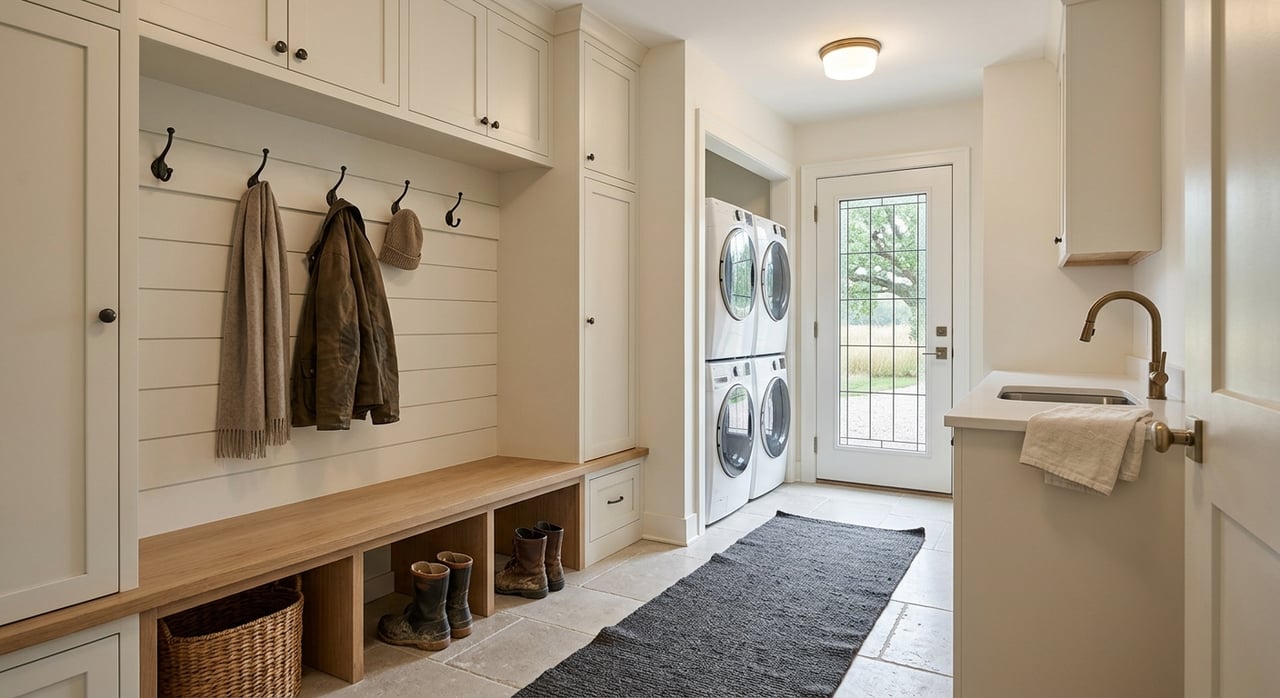
- Freshening entry areas and main living spaces
- Removing pets during showings when possible
- Simplifying furniture layout so rooms feel easy to understand
If you have lived in the home for many years, this step can feel emotional. That is normal. A calm, step-by-step plan makes it easier to show buyers the space and potential without making the home feel stripped of its character.
Market The Land, Not Just The House
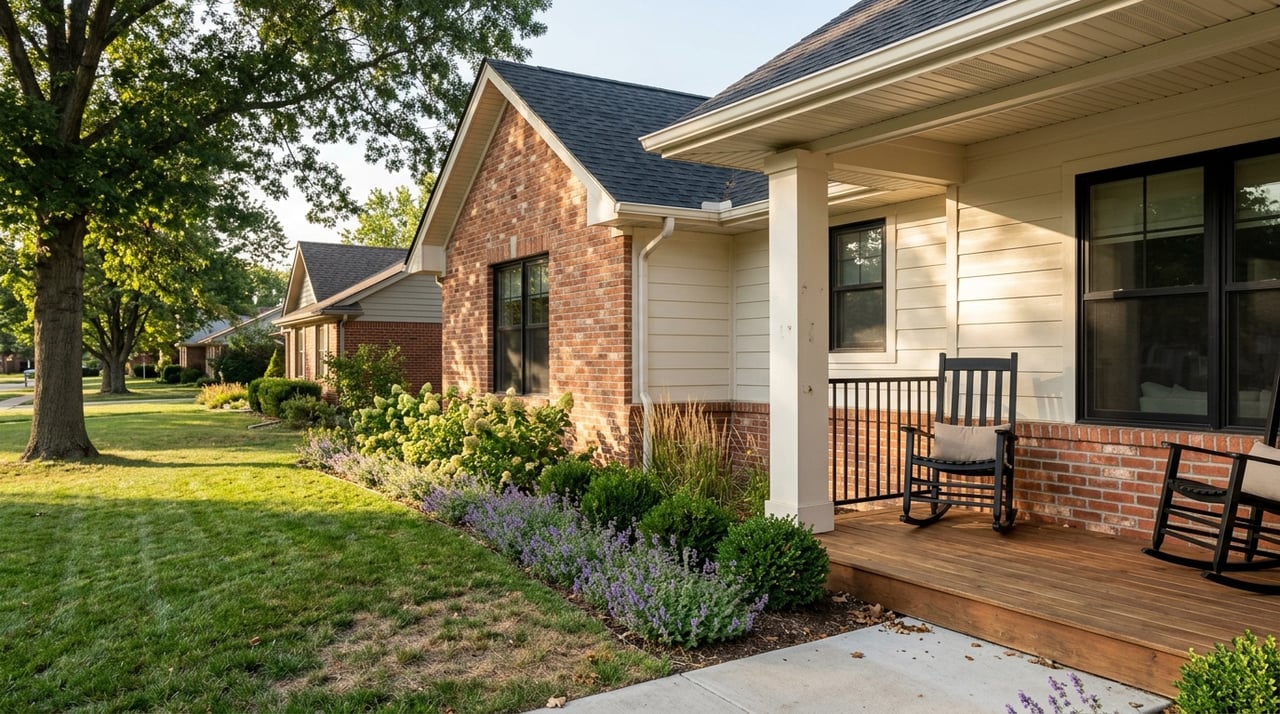
One of the biggest mistakes in selling a country home is treating the acreage like a side note. For many buyers, the land, driveway approach, views, fencing, and detached buildings are a major part of the decision.
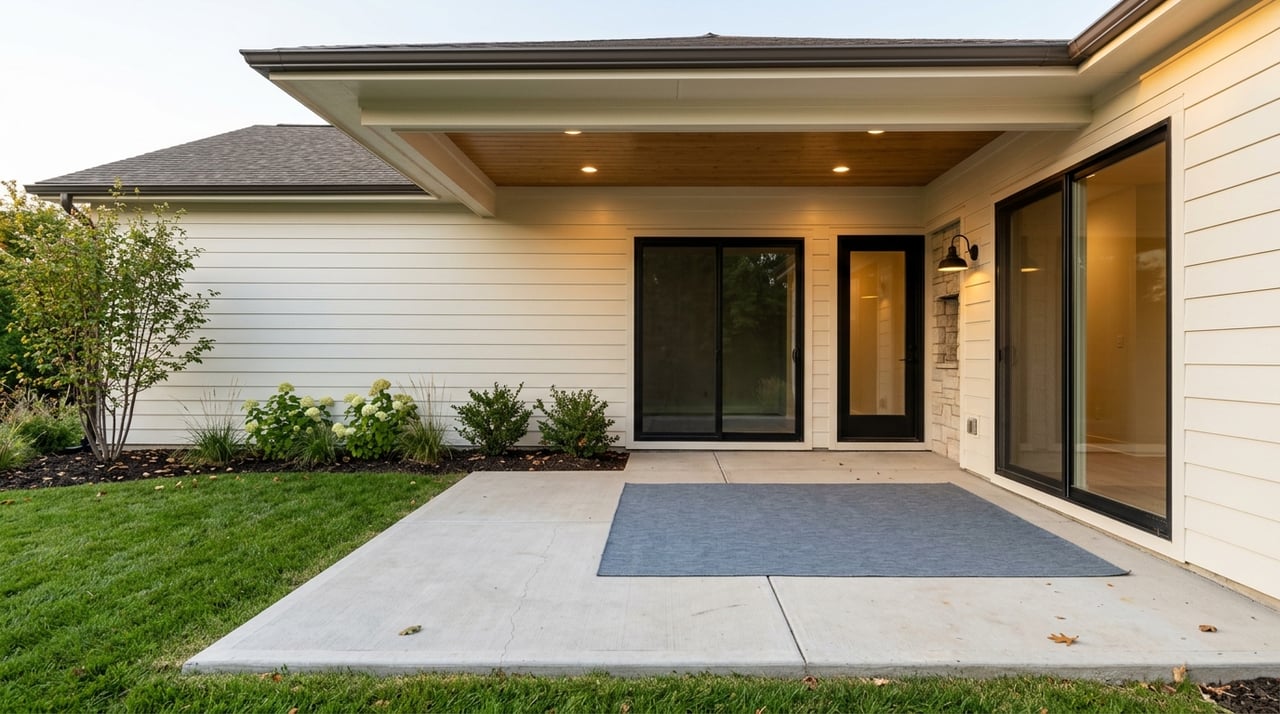
That is why exterior presentation matters just as much as the interior. The driveway should feel open and accessible. The house approach should be clear. Barns, sheds, porches, and fenced areas should be clean and easy to understand. If there are features you use every day, do not assume buyers will automatically recognize their value from a quick glance.
NAR staging data also points to the importance of outdoor improvements, along with photos, physical staging, videos, and virtual tours. For a rural property, strong visual marketing helps buyers understand the full property before they ever schedule a showing.
Build A Marketing Folder Too
Your final folder should support the listing presentation itself. Include:
- Professional photos
- Short videos or a virtual tour
- A feature list for acreage and land use
- Notes on outbuildings and storage
- Details about views, fencing, and driveway access
This is especially important because buyers often need to visualize how the house and land work together. Clear marketing helps them do that faster.
Why Preparation Matters Before Listing
The first days on the market matter, especially for a unique property. Kristen Dilley Homes emphasizes a structured seller process and strong early marketing momentum, and that approach fits country homes well.
When your records are organized, your disclosures are ready, and your home is presented clearly, you are in a better position to attract serious interest early. You are also more likely to avoid delays caused by missing paperwork, unanswered system questions, or unclear land details.
There is also a practical upside to staging and presentation. NAR found that 49% of sellers’ agents said staging reduced time on market, and 29% said it increased the dollar value offered by 1% to 10%. For a country home with a more specific buyer pool, that kind of early clarity can be especially valuable.
A Simple Pre-Listing Plan
If you want to keep this manageable, break the process into four steps:
- Gather records for the land, deed, taxes, acreage, and any easements.
- Review systems like well, septic, and major repairs.
- Prepare disclosures and keep them updated if new information comes up.
- Get the home market-ready with cleaning, staging, and professional visuals that show both the home and the land.
That step-by-step approach is often the difference between a stressful sale and a confident one. You do not need to do everything at once. You just need a clear plan and the right support.
If you are getting ready to sell a country home near Saint Joseph, a calm strategy can make all the difference. From acreage questions to well and septic records to presenting the property in a way buyers can truly understand, the goal is to make your next move feel organized from the start. When you are ready for a clear, step-by-step plan, connect with Kristen Dilley to schedule a consultation.
FAQs
What records should I gather before selling a country home near Saint Joseph?
- Start with your deed, survey or plat, parcel ID number, tax bill, acreage notes, easement documents, utility details, and any farm lease or land-use paperwork.
What should I do about a private well before listing a rural home in Champaign County?
- It helps to gather recent well test results, permit records, and any repair history, since Illinois EPA recommends regular testing and buyers often ask about water quality and well updates.
What septic information should I have ready for a country property sale near Saint Joseph?
- Keep septic permit records, maintenance history, and any repair documentation together, especially if the system is older or has had recent work.
Do Illinois sellers have to complete disclosures when selling a country home?
- Yes. Illinois sellers must disclose material defects they actually know about, provide required radon disclosure materials, and give lead-based paint disclosure for most homes built before 1978.
Which parts of a country home should I stage before listing?
- Focus first on the living room, primary bedroom, kitchen, and other main gathering spaces, while also cleaning up outdoor areas, the driveway approach, and any outbuildings that shape buyer impressions.
Why does marketing matter so much for a rural home near Saint Joseph?
- Buyers often need more help understanding acreage, access, views, and detached structures, so strong photos, video, and clear feature lists can make the property easier to evaluate from the start.