Thinking about a little more space without giving up access to Champaign? You are not alone. Many buyers weigh in-town Champaign options against a move to Saint Joseph or a nearby country property. In this guide, you will learn how prices compare, what you can expect to find, and the practical steps to buy with confidence, especially if you are eyeing acreage. Let’s dive in.
Saint Joseph vs. Champaign at a glance
Saint Joseph sits about 13 miles east of Champaign, which is roughly a 15 to 25 minute drive depending on route and traffic. You can check the drive time and distance using this simple route comparison from Travelmath’s distance tool.
On pricing, both markets often land in the mid 200s on average. As of February 2026, Zillow’s value index points to a typical Saint Joseph home value near $275,630, while Redfin shows Champaign’s February 2026 median sale price near $242,500. Different data sources use different methods, so expect reasonable variation by neighborhood and month.
Countywide, activity improved late in 2025 as mortgage rates eased, and inventory remained tighter than a decade ago. You can see that late-year momentum in the Champaign County Association of REALTORS® Year-End 2025 Market Report.
What you can buy in Saint Joseph
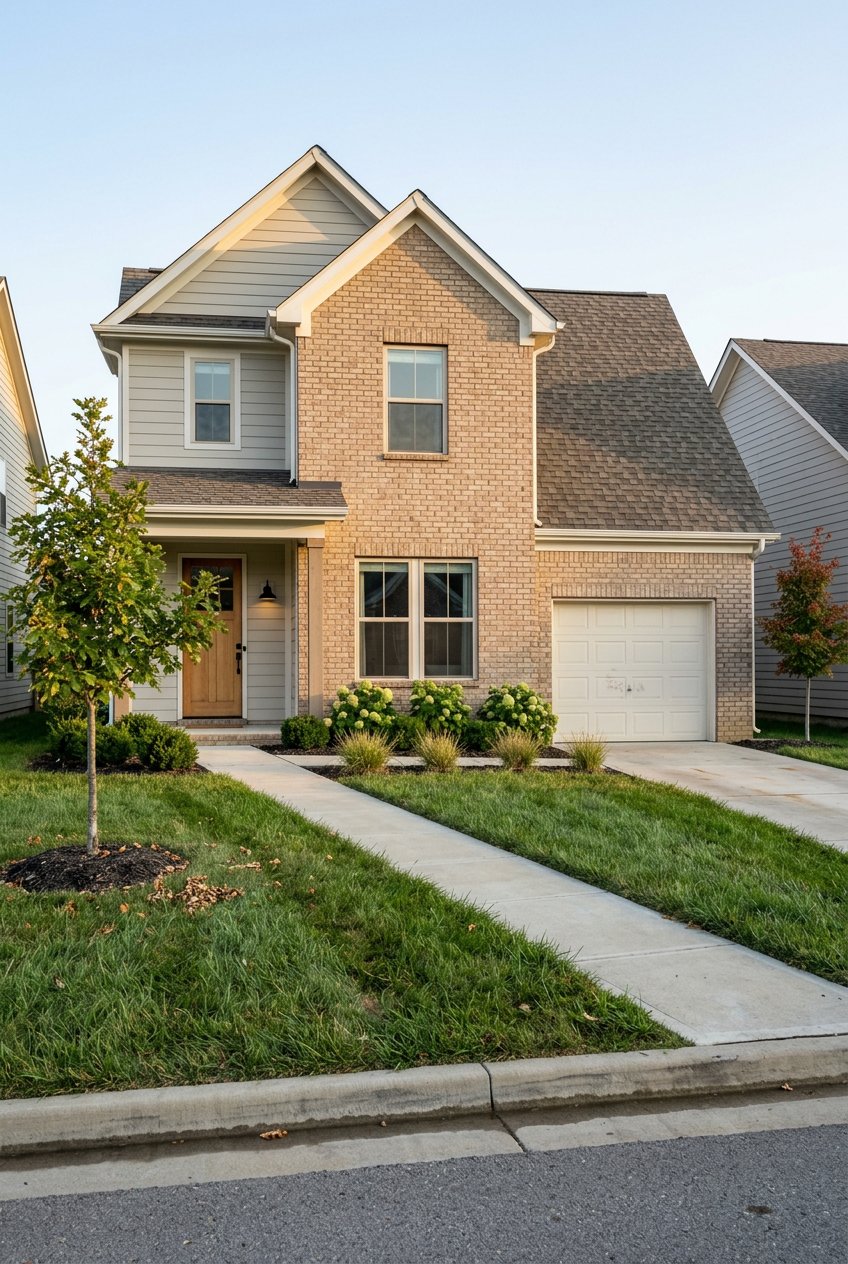
Inside the village, most homes are single-family and in established neighborhoods. Many are older post‑war or mid‑century builds with modest footprints and manageable yards. Parcels tend to be measured in tenths of an acre rather than multiple acres.
Sale prices for in-town homes commonly fall in the mid 200s. Updates, lot position, and condition will explain most of the spread up or down from there. If you want newer construction, you will find options in the broader Champaign-Urbana area, and it helps to compare builders, floor plans, and timelines early.
Country properties around Saint Joseph
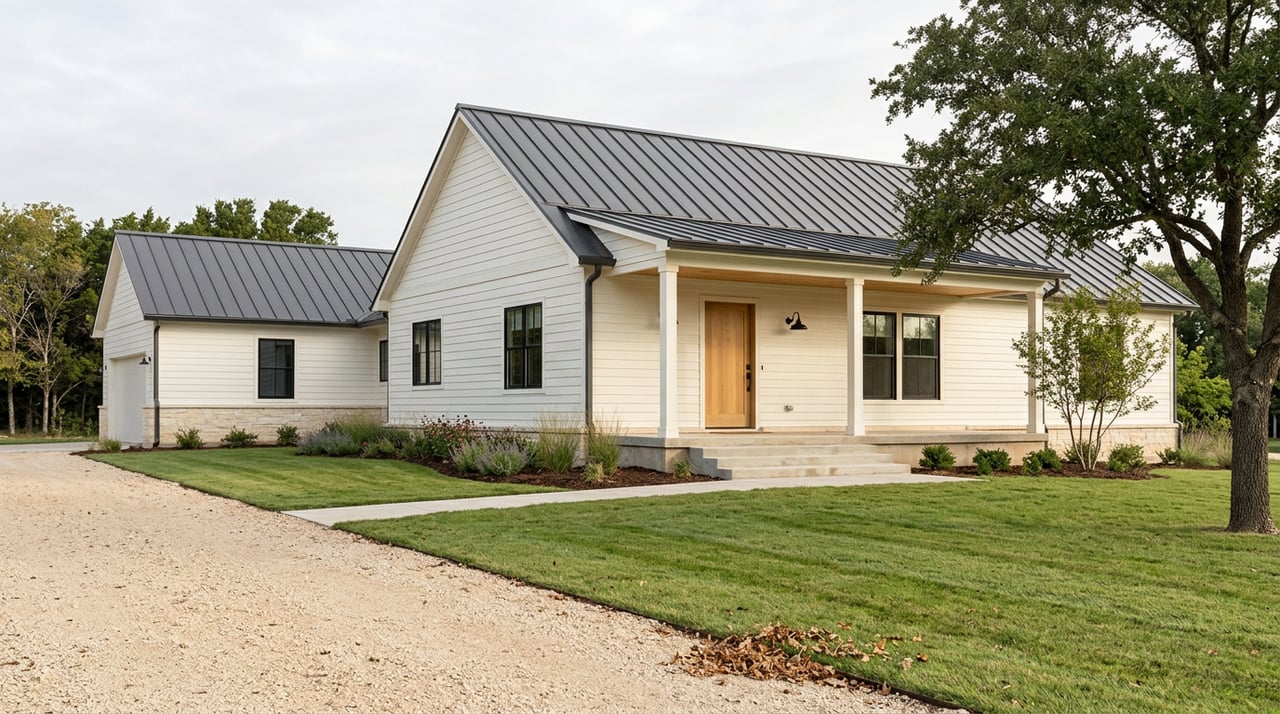
Just outside the village, you will see a very different mix. Parcels range from 1 to 5 acre hobby-farm lots to much larger tracts, including timber and productive farmland. These properties are marketed as land plus house, so price per acre and total price can vary a lot from a village home.
Modest country homes on a few acres sometimes list in the low to mid 200s depending on condition and outbuildings. Larger hobby farms or parcels with strong amenities or income potential can run much higher, moving into the upper hundreds of thousands or more. Always compare total acreage, improvements, and the intended use before you fix a target price range.
Commute, services, and daily life
If you work or study in Champaign-Urbana, Saint Joseph offers a short, predictable commute. Many buyers choose it for a quieter setting and more yard space while staying close to regional employers and services. If schools are part of your decision, confirm district boundaries for any address you are considering.
Pricing and market trends
Here is a practical way to read the numbers:
- Use one primary source for your price snapshot so you can compare apples to apples. For example, Saint Joseph’s typical value near $275,630 comes from Zillow’s value index as of February 2026, while Champaign’s recent median sale near $242,500 comes from Redfin’s February 2026 sales data.
- Remember that city averages hide neighborhood differences. Inside Champaign, prices vary by ZIP and proximity to the university.
- Let county context guide your expectations. The CCAR year-end 2025 report shows late-year demand improving as rates eased, with inventory still lean compared to historical norms.
Utilities: village vs. rural
Utility setup is one of the biggest differences between in-town and country homes.
- In-town Saint Joseph homes are typically on village water and sewer. You can confirm utility service through the village’s customer resources, such as the Village of Saint Joseph utility billing page, and by checking with the village for a specific address.
- Rural homes often use a private well and an onsite wastewater (septic) system. Both should be evaluated during your inspection period.
Private wells: what to test
The Illinois Department of Public Health recommends annual bacteria and nitrate testing, with additional metals or VOC testing as indicated. Budget for water testing during your inspection window and use a certified lab. Learn more from the IDPH private well testing guidance.
Septic systems: inspections and records
Ask for records of pumping, repairs, and permits, and schedule a septic inspection or evaluation by a permitted professional. Replacing a failed system is costly, so information upfront matters. The EPA’s onsite wastewater manual explains how systems work and what to expect during evaluation.
Taxes and carrying costs
Property taxes can shift your monthly budget, and they vary by location and use. Data providers such as ATTOM estimate an effective property tax rate in the Saint Joseph area near 1.73 percent, while Champaign County rates often run closer to about 2 percent. Confirm exact taxes and any exemptions, including agricultural-use benefits, with the county assessor for each property you consider. For a quick data overview, you can review the ATTOM Saint Joseph area profile.
Loans and USDA eligibility
Many addresses outside dense urban cores may qualify for USDA single-family guaranteed loans. These can be attractive for buyers who meet income guidelines. Check a property’s eligibility early using the USDA address eligibility tool, then ask your lender to confirm both property and income eligibility for your situation.
Buyer checklist: your next steps
Use this simple plan to compare Saint Joseph, Champaign, and nearby rural options with clarity:
- Get pre-approved. Ask your lender about conventional, FHA, and whether an address might be USDA eligible. Verify using the USDA eligibility portal.
- Compare recent local sales. Have your agent pull MLS comps for your exact neighborhood or ZIP, and be clear about which data source you are using for price context.
- Plan rural inspections early. For country properties, order a private well test for bacteria and nitrate, and add metals or VOCs if IDPH guidance suggests it. Schedule a septic inspection and request pumping and repair records. See IDPH well guidance and the EPA onsite manual for what to expect.
- Verify property taxes and exemptions. Confirm annual taxes with the assessor and ask about homestead or agricultural-use exemptions. A quick estimate is available in the ATTOM Saint Joseph profile, but always verify the exact parcel.
- Confirm school district boundaries. Map the district for any address you are considering so there are no surprises after closing.
- Check access and services. Ask who maintains the road, how winter access is handled, what trash and recycling options exist, and which broadband providers serve the exact parcel.
- Review zoning and usable acres. If you have plans for animals, workshops, or an extra outbuilding, confirm zoning, easements, floodplain, and tile lines. Start with county planning documents and the zoning records, such as the Champaign County Zoning Board of Appeals materials.
Is Saint Joseph right for you?
If you want a quieter setting and more yard without giving up a short drive to Champaign, Saint Joseph and the surrounding countryside offer a compelling blend of value, space, and convenience. In-town homes deliver manageable lots and a village utility setup. Country properties trade more land and privacy for added due diligence on wells, septic, and access.
When you are ready to compare specific addresses, walk through inspections, or explore new construction options across the area, reach out. I will help you weigh the tradeoffs, line up the right experts, and move at a pace that feels calm and organized. Schedule a consultation with Kristen Dilley.
FAQs
What is the typical home price in Saint Joseph in 2026?
- Zillow’s value index points to a typical value near $275,630 as of February 2026, with individual listings selling above or below that based on size, age, and condition.
How long is the commute from Saint Joseph to Champaign?
- The village sits about 13 miles east of Champaign, which is roughly a 15 to 25 minute drive depending on route and traffic, based on Travelmath distance data.
What inspections are recommended for rural properties near Saint Joseph?
- Plan a private well test for bacteria and nitrate, consider metals or VOCs as IDPH advises, and schedule a septic inspection with records of past pumping and repairs, using IDPH well guidance and the EPA onsite manual as references.
Do Saint Joseph addresses qualify for USDA loans?
- Many rural or edge-of-town addresses may qualify, subject to property and income guidelines; verify an address with the USDA eligibility tool and confirm details with your lender.
How do property taxes compare between village and rural parcels in Champaign County?
- Effective rates vary by location and exemptions; ATTOM estimates around 1.73 percent for the Saint Joseph area and county rates near 2 percent, so always confirm the exact parcel with the county assessor and review any agricultural-use benefits.